Build a before-and-after record
Note when the pressure changed, whether there was a utility notice and which fixtures are affected. If neighbors independently report the same change, include that information without treating it as proof of a main fault. Save the notice rather than relying on a remembered date.
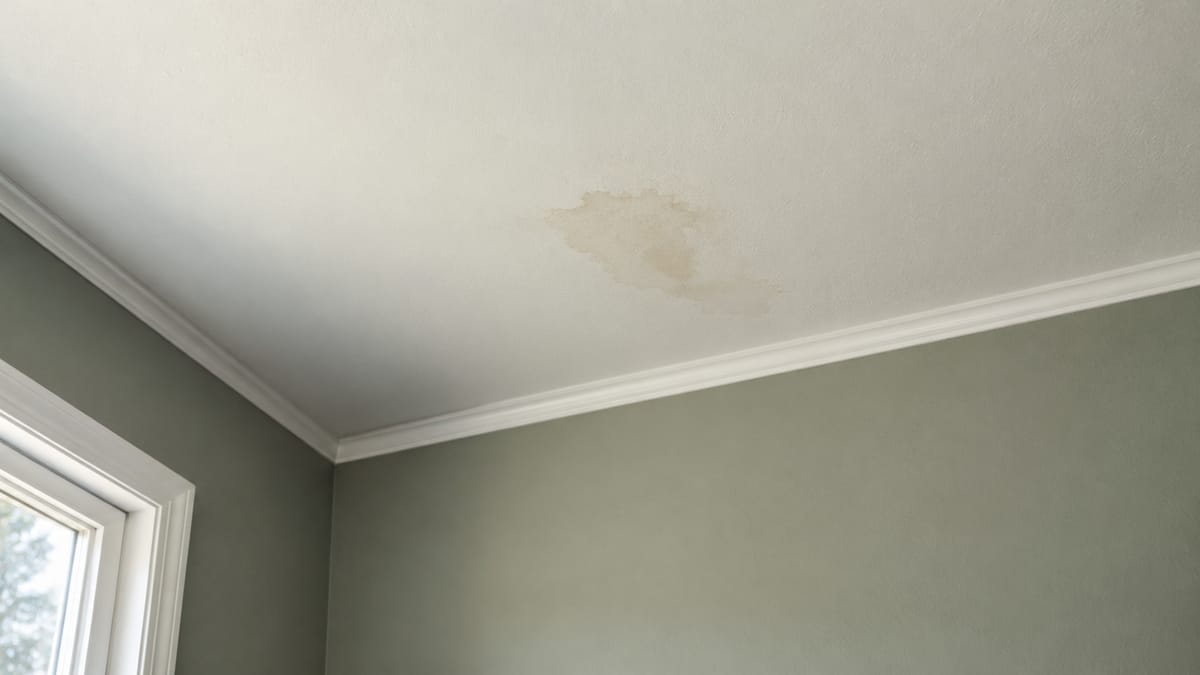
Water showing through a wall is a separate observation that should be reported promptly. Do not delay attention to active damage while waiting for a neighborhood explanation.
Contact the operator for system information
Platte Canyon’s pressure guidance recommends checking district work and neighboring supply alongside private-plumbing possibilities. In some local arrangements, the organization sending the bill is not the operator of the nearby main. Confirm the district for the address.
Ask whether work or an outage affects the property, then retain the answer. A utility explanation for low pressure does not automatically explain a wet cabinet or ceiling; those may still need an indoor investigation.
Do not treat pipe noise as a location
Describe whether the sound occurs with one fixture, while equipment runs or when everything appears idle. Avoid repeated valve changes to make it happen. A sound by itself is not enough evidence to choose a fitting or wall opening.
Ask what observation supports a concealed leak rather than a regulator, fixture or equipment problem. If access is proposed, the purpose should be tied to evidence in that room or pipe branch.
Prepare the private-plumbing brief
Tell us the street address, district response, affected fixtures and any moisture you can safely see. Confirm whether the available visit covers the symptom you have described. Agree on diagnosis, any access opening and later repair separately so an uncertain pressure complaint does not become an undefined demolition job.
Reference notes
Local boundaries and technical guidance have limits. Check the address and the current requirements with the relevant authority.