Describe the boundary without assigning blame
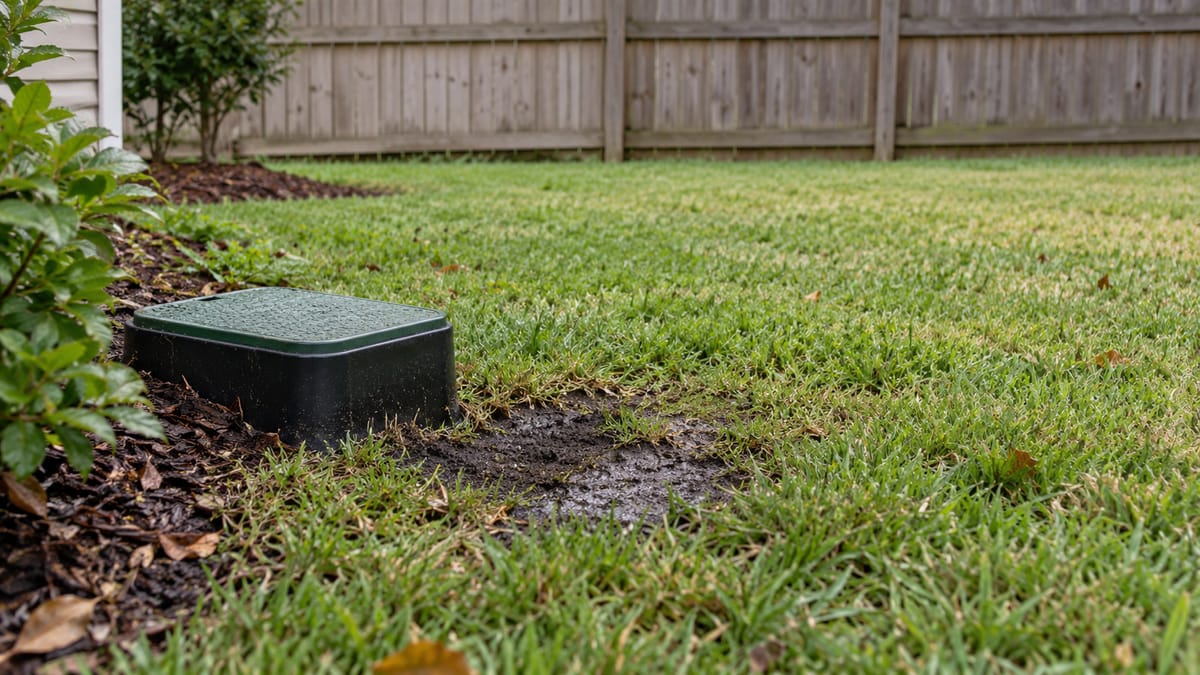
Note where water appears relative to planting beds, paving and property edges. Record the time it was observed and any sprinkler activity already visible. A wet verge does not establish that the nearest home owns the pipe or caused the water.
Avoid entering a neighbor’s garden or opening a shared valve box to investigate. Ask the property manager which landscape zones and controllers belong to the common system.
Match the symptom to a controller or account
A shared irrigation system may be managed separately from household plumbing. Find the person who can provide its schedule and recent maintenance history. A private water bill cannot reliably describe water supplied through another account.
If household pressure changes at the same time, include that observation. Southgate lists irrigation faults among possible pressure issues, but it also identifies other household and public-system causes. Timing helps frame the question; it does not determine the fault.
Set safe limits on observation
Use existing schedules and normal observations rather than running a new cycle during restrictions. Photograph visible overspray or pooling from a place you may legally access. Do not alter backflow equipment or disconnect a controller to narrow the problem.
When concealed piping becomes the question, private-line locating may be needed. Knowing where a public main runs does not locate every lateral serving the planting beds.
Authorize one system at a time
Call us with the address, the suspected system owner and any available zone information. Confirm whether shared or privately managed irrigation is within the investigation offered. Agree on who may authorize tests, approve repairs and restore landscaping, especially where work would cross a property boundary.
Reference notes
Local boundaries and technical guidance have limits. Check the address and the current requirements with the relevant authority.