Stop use that is causing visible damage
If a shower or bath is followed by spreading water, stop using it and describe the sequence. Note where the moisture first appeared and how long after use. Do not repeat the event simply to improve a video.
Stay away from electrical equipment, wet outlets and damaged ceilings below the room. A photograph taken safely before and after ordinary use can be useful, but no image is worth recreating damage.
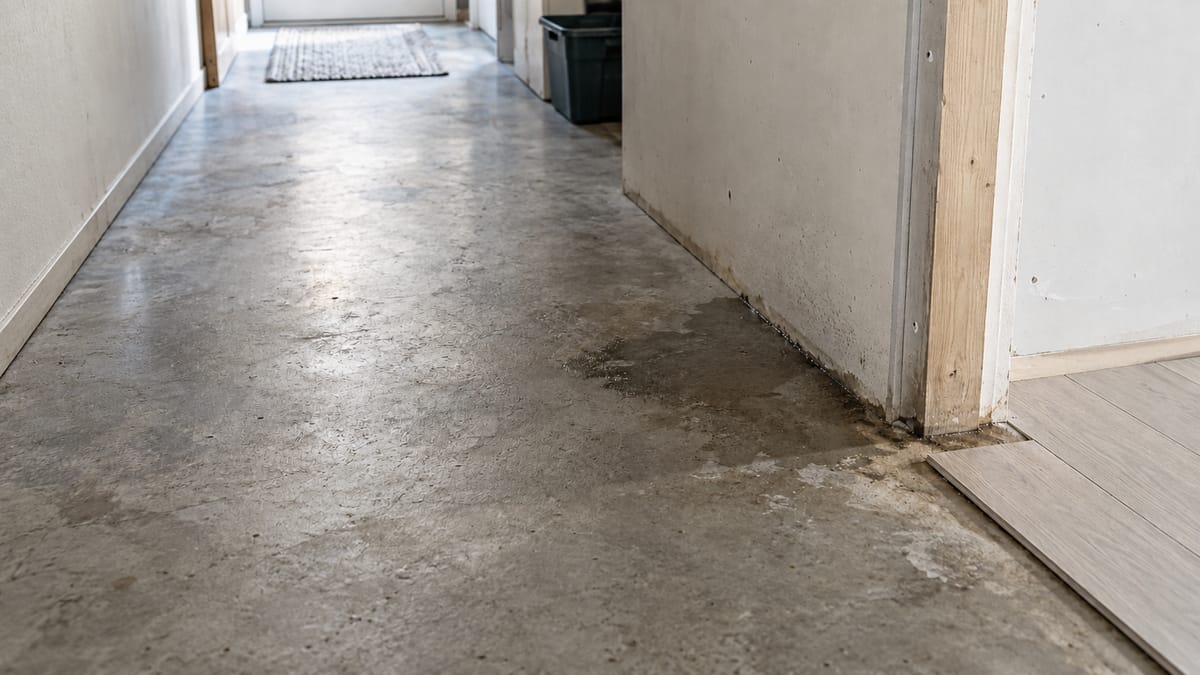
Ask which system the evidence implicates
Water after shower use can raise questions about supply connections, drainage or the enclosure that contains spray. The first visible wet spot does not identify which part failed. Ask what would distinguish these possibilities before selecting a repair.
A suspected under-slab leak requires evidence about a pipe beneath concrete. The existence of tile or a ground-floor bathroom does not establish that route. Plans, prior alterations and accessible plumbing can help define what is known.
Keep moisture confirmation separate from a repair decision
A thermal pattern may guide further checks, but it does not establish a specific plumbing defect. Ask how moisture is confirmed and why the proposed opening is needed. A test result should say what part was evaluated and what remains uncertain.
Before tiles, finishes or concrete are disturbed, identify who authorizes access and who restores the waterproofing and surfaces. A patch to a pipe does not automatically resolve damage elsewhere in the bathroom.
Match any later work to the actual jurisdiction
A Littleton postal address in this area may fall outside Littleton’s city boundary. Check the property’s municipality before deciding which building office handles plumbing alterations. Call us with that address, the bathroom layout and symptom timing to confirm the investigation available and its limits.
Reference notes
Local boundaries and technical guidance have limits. Check the address and the current requirements with the relevant authority.