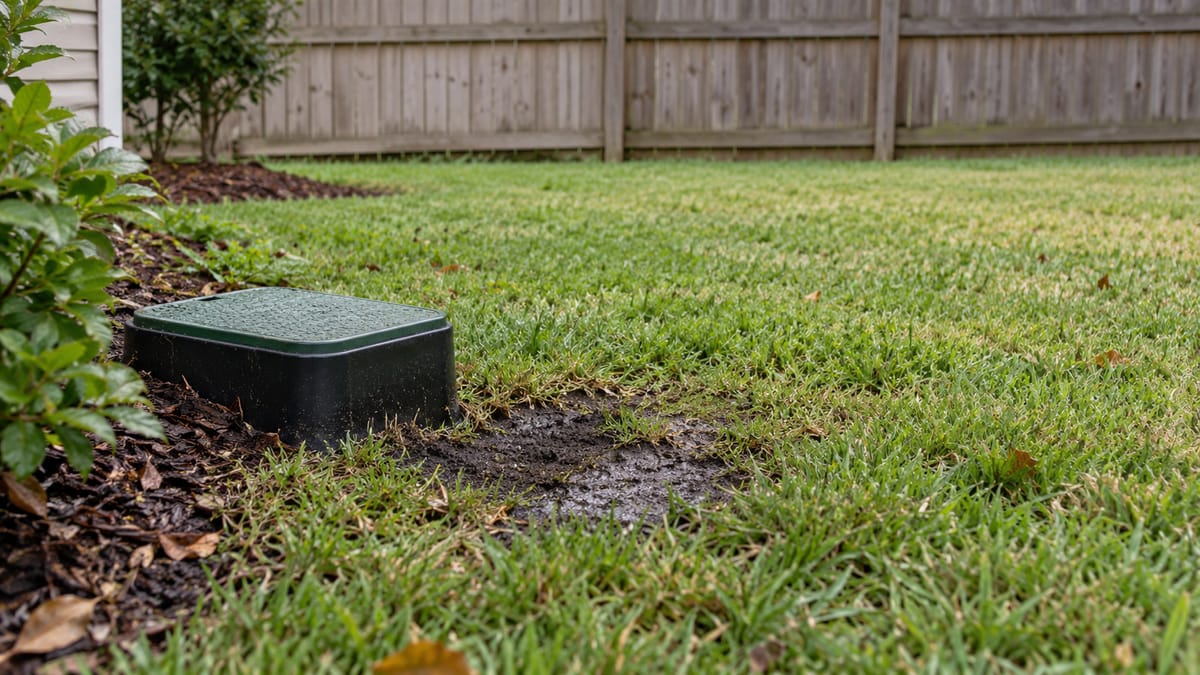
Describe the wet area without digging
Note where the water appears relative to the house, street, sprinkler zones and any visible meter location. Report whether it follows rain, watering or no obvious event. Stay back from soft, sinking or undermined ground.
A soggy patch does not identify the owner of the leaking pipe. Water can reach the surface away from a break, and drainage can create a wet area without a pressurized line failure.
Start with the provider on the bill
Start with the customer-service contact on your water bill. Confirm which utility or district operates the local pipes at your address, how responsibility is divided and whether it needs to investigate first. A mailing city or ZIP cannot settle who owns a service line.
If water is surfacing at the street or a public fitting, use the provider’s reporting channel. Do not operate a curb stop or enter a meter pit. Tell the responding party if the water appears to threaten a roadway or structure.
Keep leak finding and utility locating separate
A leak investigation asks where water may be escaping. A utility locate helps identify buried facilities before digging. One does not replace the other, and a mark does not guarantee that every private line has been identified.
Colorado 811 provides the state’s pre-excavation process. Before an opening is planned, confirm who will arrange the request, follow the response process and address private facilities. Never start a hole from a wet spot or a guessed pipe route.
Make landscape and surface access part of scope
Describe driveways, retaining features, fences and irrigation near the suspected route. Ask how access will be agreed and what restoration is included. A finding in a planted bed has a different access impact from one under pavement.
If a repair is proposed, get the affected line, authority requirements and shutoff arrangements explained. This leak-detection inquiry does not include public water-main work, sewer excavation or landscape reconstruction.
Questions before you book
Does low pressure mean the buried line is leaking?
It is a symptom to report, not proof. Mention whether it affects one outlet or the whole property and whether it changed suddenly. The utility or a qualified plumber can assess other supply causes.
Can the ZIP identify my water district?
No. District boundaries and postal areas are different. Use the account information and exact service address when asking about responsibility.
Reference notes
Local boundaries and technical guidance have limits. Check the address and the current requirements with the relevant authority.