Record when the unexplained use happens
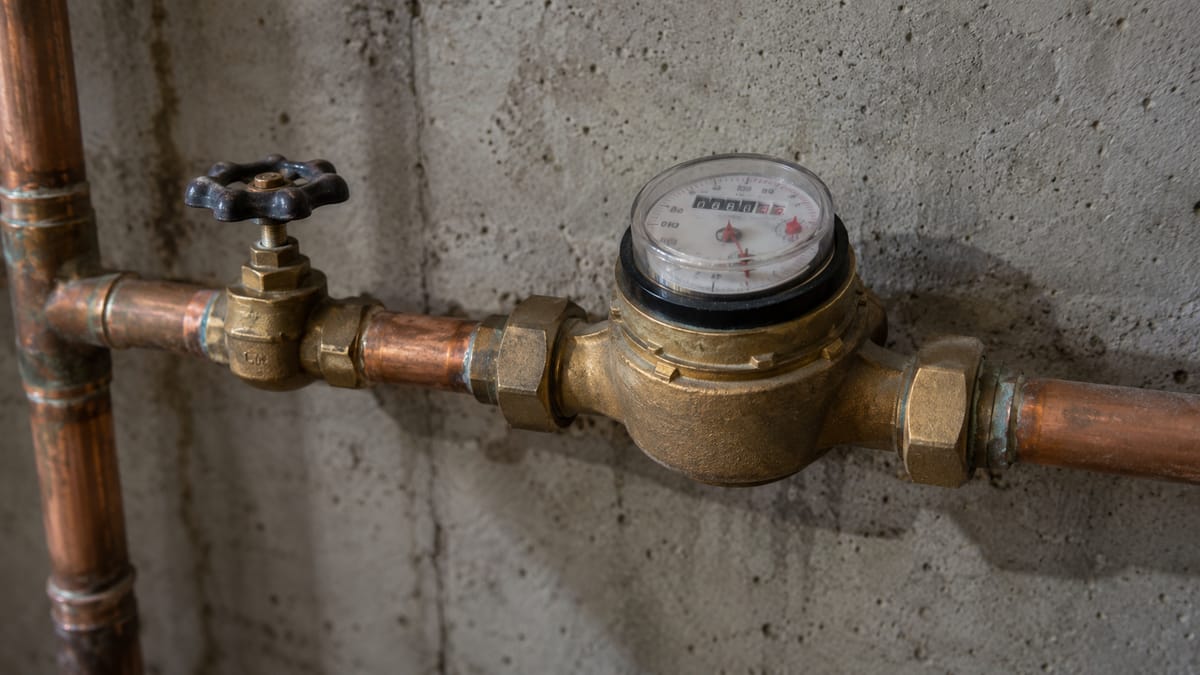
Compare the billing dates with household changes: visitors, an irrigation restart or equipment service. If an existing meter display or account record is safely available, note the time and reading during a period when intended water use is stopped. Include automatic uses; a quiet house is not always a house using no water.
A single still reading cannot exclude a leak that appears only during a fixture cycle. Save the period you actually observed rather than describing the whole system as leak-free.
Check the accessible water users first
Highlands Ranch Water’s checklist includes softeners and humidifiers as possible sources of continuous use. Toilets and filtration equipment also deserve a place in the history. Do not disconnect tubing or move an appliance to look behind it.
- Note repeated toilet refill sounds without deliberately provoking a leak.
- Look at accessible appliance bases from a dry position.
- Record recent equipment servicing and settings you already know.
- Describe any visible stain separately from the water-use record.
Ask what would justify opening a wall
A hidden-pipe assessment should distinguish evidence of water consumption from evidence of moisture in a particular location. Ask which finding supports the proposed opening and what other routes were considered. An alarm or a high bill is not a wall map.
The district’s high-use phone assessment can help organize the first observations. Its published guidance makes clear that hidden faults may need a more detailed inspection.
Keep the first authorization narrow
Tell us the affected rooms, the account history and any tenant or cabinet-access restrictions. Confirm the address and availability first. Before work starts, establish whether the visit is diagnosis only, whether limited access is included, and who would repair an opened wall. Do not approve broad removal simply because the water bill is unexplained.
Reference notes
Local boundaries and technical guidance have limits. Check the address and the current requirements with the relevant authority.