Make each recurrence easy to compare
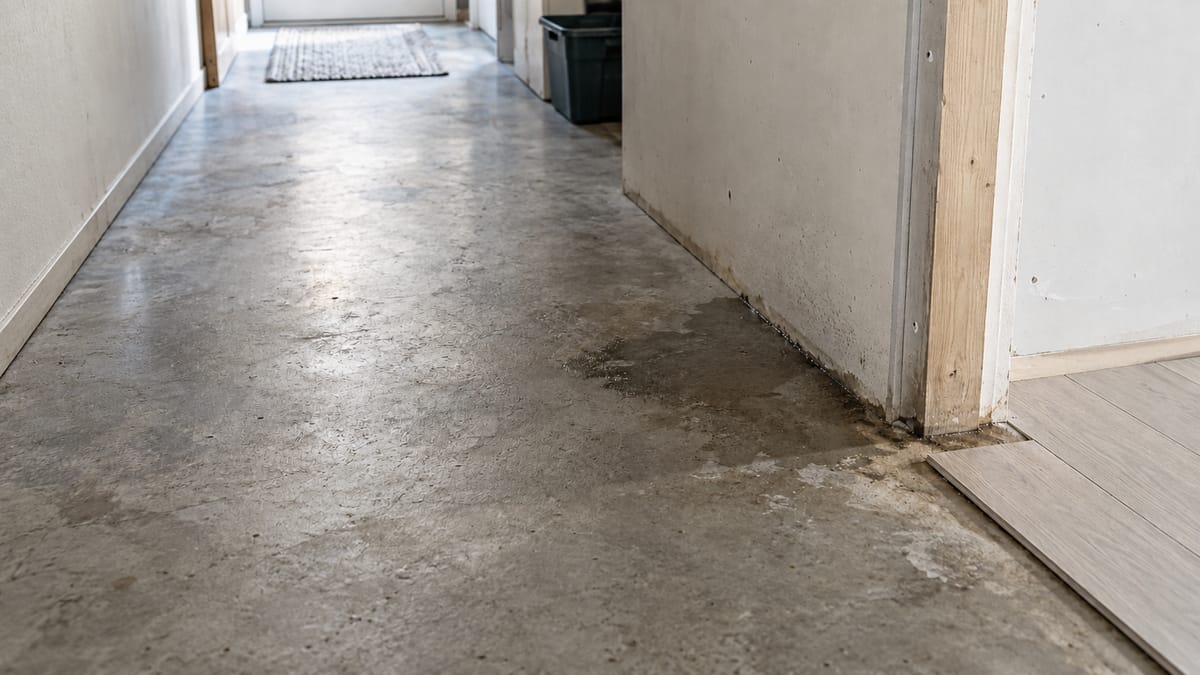
Take a dated photo from the same safe position when the mark changes. Include a room feature so the location is clear. Write down whether you saw fresh surface moisture, a change in the edge of a stain, or only an old mark. Do not describe discoloration alone as an active pipe leak.
Add the events you already know: rain, a shower, an irrigation cycle or an absence from home. Do not run extra water to recreate the problem. A timeline records what happened; it does not prove which event caused the moisture.
Bring the water record that matches the system
For a Roxborough district account, existing WaterSmart usage history may help show when water passed through the meter. Keep the time interval with the reading. An alert or graph does not show a pipe beneath a particular room.
Sterling Ranch’s published utility rules describe separate domestic and irrigation metering. Confirm the actual meters at your property before attaching a usage record to an indoor-floor concern. An outdoor-use record cannot simply be treated as the household pipe reading.
Set expectations for a visit on a dry day
Explain that the condition comes and goes when you arrange the visit. Ask which checks can still be useful when the floor looks dry, and how the findings will distinguish an observed fault from one that remains unconfirmed.
If temperature imaging is proposed, ask how a pattern will be checked against other evidence. A thermal image shows surface temperatures, not a direct view of water or pipework below the floor. A normal-looking patch during a short visit should not become a claim that every concealed line has been cleared.
Decide what an inconclusive result means
Before approving an opening, ask what new evidence it is expected to provide. If the source is still unclear, a written record of the tested locations and remaining questions can help avoid repeating the same search. Agree on any return-visit charge before arranging it.
Keep floor replacement separate from finding the source. Ask who will assess remaining moisture before new finishes cover the area. If moisture spreads near electrical fittings or damaged material, keep people away and arrange appropriate help rather than waiting for another observation.
Reference notes
Local boundaries and technical guidance have limits. Check the address and the current requirements with the relevant authority.